Business Human Rights Journal Cambridge University Press

Vietnam Marine Life Disaster: A Test Case of a Home State’s Jurisdiction in Taiwan

Victims of transnational human rights violations caused by multinational corporations (MNCs) are often confronted with substantial impediments to effective remedies. While justice is de facto unattainable in host state courts, due to weak government or the absence of judicial independence, barriers that prevent victims from litigating in home states are no less insurmountable. Transnational litigation in home states has faced jurisdictional challenges. Defendant corporations have argued that home state courts are not the most appropriate forum to hear a case involving foreign torts.1

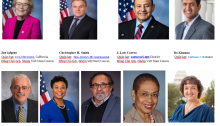
US Congress: Urgent Appeal to Vietnam government regarding Formosa Environmental DisasterVictims

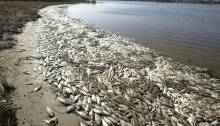
We are writing to express our deep concern over the ongoing plight of the victims affected by the environmental disaster caused by the Formosa Ha Tinh Steel Corporation in central Vietnam in 2016. Despite assurances from the Vietnamese government that the situation has been resolved, numerous indications challenge this narrative and many victims have yet to receive justice and proper compensation. Numerous victims who have suffered significant losses have filed lawsuits, only to face denial and violence from the authorities when seeking legal recourse. Advocates who have spoken up for the victims have been unjustly imprisoned, with harsh sentences as long as 20 years, further exacerbating the injustice.

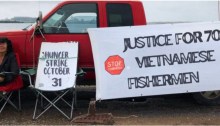
MEDIA ADVISORY for Sunday, November 26th: Thanksgiving Event & Press Conference with Diane Wilson, four weeks into her Global Hunger Strike against Formosa Plastics Group

Goldman Environmental Prize recipient Diane Wilson will mark nearly one month of her Global Hunger Strike to demand justice for the Vietnamese communities whose livelihoods were affected by the environmental disaster caused by Formosa Ha Tinh Steel Plant, a subsidiary of the Formosa Plastics Group.